
Your shopping cart is empty!
Total € 0.00
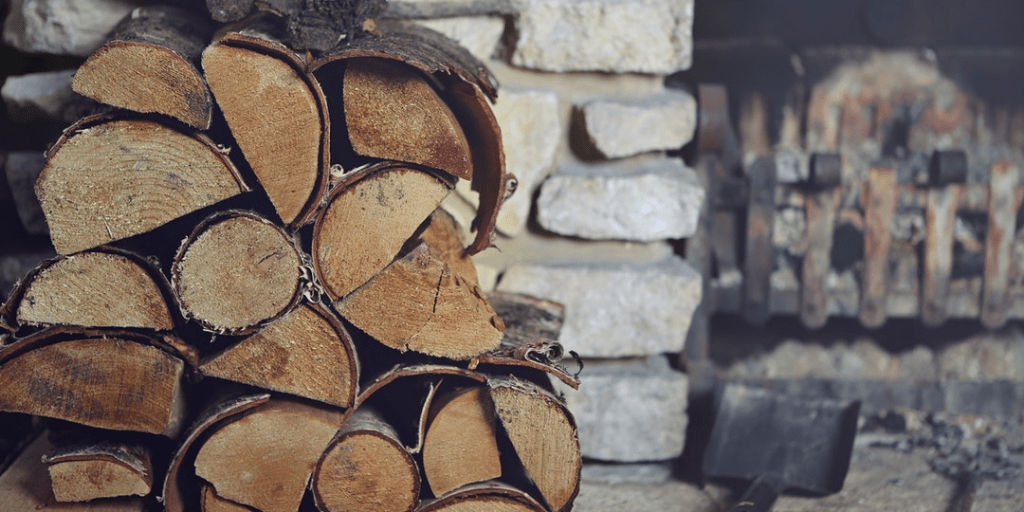
Modern wood-burning stoves are not only practical heating solutions but also central features in many homes. To achieve the best results, it’s important to match your stove with the right type of firewood. Factors such as burn time, moisture content, and log size all play a role in performance and efficiency.
Why Choosing the Right Firewood Matters
The performance of your stove or fireplace is directly linked to the fuel you use. High-quality kiln dried firewood delivers stronger heat, reduces smoke, and keeps your appliance cleaner for longer. The right choice of wood also improves safety by lowering creosote build-up in your chimney.
Not all logs burn the same. Hardwoods are denser and provide a longer, hotter burn, while softwoods ignite quickly and are useful for starting fires. Understanding these differences ensures you can balance convenience with efficiency in your home heating.
Best Hardwoods for Your Stove
Hardwoods remain the top choice for wood-burning stoves. Kiln Dried Birch Logs are easy to light, burn cleanly, and give off a beautiful flame, while Kiln Dried Oak Logs provide a slower burn and maximum heat output. Both are eco-friendly, low-moisture options ideal for stoves, open fires, and fireplaces across Ireland.
Softwoods for Quick Ignition
Softwoods such as spruce and pine ignite faster, making them ideal for kindling or quickly starting your fire. Although they burn faster than hardwoods, using softwoods alongside birch or oak creates a balanced, efficient fire.
The moisture content of your logs is crucial. Well-seasoned or kiln dried firewood (below 20% moisture) burns hotter, cleaner, and more efficiently. Kiln drying also eliminates mold and pests, ensuring safe and ready-to-use firewood delivery straight to your home.
Choosing locally sourced and sustainable firewood supports the Irish economy while reducing your environmental footprint. Many suppliers, like Eco Logs, offer certified eco-friendly firewood, ensuring both quality and sustainability.
Log size directly affects combustion. Standard kiln dried logs are cut to around 25 cm in length, making them suitable for most modern stoves. Choosing the correct size ensures better airflow, efficient burning, and ease of use.
When using any stove, safety should always come first. Regular maintenance, using low-moisture wood, and proper ventilation are essential to reduce the risk of chimney fires and harmful smoke emissions.
Stove operation, maintenance, and safety
Follow the manufacturer’s guidelines carefully. Install carbon monoxide detectors, have your chimney swept annually, and always avoid burning treated or painted wood to ensure a safe, healthy home environment.
Combining hardwoods and softwoods can give you the best of both worlds: the quick ignition of softwoods with the lasting heat of hardwoods. Experimenting with birch and oak logs alongside pine kindling can create efficient and pleasant fires throughout the winter months.
For those looking for greener alternatives, wood briquettes and eco logs are excellent choices. Made from compressed wood, they provide consistent heat, low ash, and sustainable energy with minimal environmental impact.
Choosing the best firewood for your stove goes beyond simple heating. It’s about comfort, atmosphere, and sustainability. Whether you prefer the quick ignition of birch, the long burn of oak, or eco-friendly alternatives like briquettes, making informed choices ensures warmth and efficiency all year round.
What is the best firewood for wood-burning stoves in Ireland?
Is kiln dried firewood better than seasoned firewood?
Yes. Kiln dried firewood has a moisture content below 18%, ensuring a cleaner, hotter, and more efficient burn. Unlike traditionally seasoned logs, kiln dried wood is ready to use immediately and free from pests or mould.
How should I store firewood for best results?
Store firewood in a dry, well-ventilated area, ideally off the ground and protected from rain. Kiln dried logs stored correctly can last for years without losing quality.
Can I mix hardwoods and softwoods in my stove?
Yes. Mixing hardwoods like oak for long heat with softwoods like pine for quick ignition gives you both fast lighting and extended burn times.
How often should I clean my stove and chimney?
Clean your wood-burning stove regularly and have your chimney swept at least once a year. This prevents creosote build-up and keeps your heating system safe and efficient.
Is it safe to burn treated or painted wood?
No. Burning treated or painted wood releases harmful chemicals. Always use untreated, kiln dried, or well-seasoned firewood for a safe and eco-friendly burn.
